

• Link to Facebook
  • Link to Youtube
  • Link to LinkedIn
  • Link to X
  • Link to Tiktok
  • Link to Instagram
  • EN ESPAÑOL
    • Inicio
    • Glosario de Términos
    • Modelos Financieros
    • Tutoriales Cortos
  • A.CRE HELP
    • Support Section
    • Contact Us
  • LOGIN/REGISTER
  • Shopping Cart Shopping Cart
    0Shopping Cart
Adventures in CRE
  • A.CRE
    • A.CRE Home
    • A.CRE Help
    • Accelerator
      • Learn More
      • Login
    • AI.Edge
      • Learn More
      • Login
    • Artificial Intelligence
    • Careers
    • CRE Event Calendar
    • CRE Job Board
    • Education
    • Library of Excel Models
    • Meet the A.CRE Team
  • RE Modeling
    • 1031 Exchange
    • Audio Series
    • All-in-One (Ai1) Model
      • Download
      • Guides and Tutorials
      • Support
    • Ask Me Anything (Live)
    • Beginner’s Guide to Excel
    • Excel Models
      • Excel Add-ins
      • Library of Excel Models
      • All-in-One (Ai1) Model
      • Apartment
      • Condo
      • Debt
      • Development
      • Equity Waterfall
      • Hotel
      • Industrial
      • Office
      • Portfolio
      • Retail
      • Single Family
      • Tutorial
    • Excel Tips
    • Practice Library of Case Studies
    • Stochastic Modeling
    • Argus
    • My Downloads / My Account
  • Careers
    • About Careers in Real Estate
    • Ask Me Anything (Live)
    • Audio Series
    • Compensation in Real Estate
    • CRE Job Board
      • Find a Job
        • Browse Jobs
        • Post a Resume
        • Register
        • Login
      • Post a Job
    • CRE Event Calendar
    • CRE Interviews
    • Day in the Life Series
    • Real Estate Legal Content
    • What CRE Pros Do
  • Education
    • Accelerator
    • AI.Edge
    • A.CRE 101
    • Ask Me Anything (Live)
    • A.CRE Audio Series
    • Audio Series
    • Book Reviews
    • CRE Event Calendar
    • Deep Dive Series
    • Glossary of CRE Terms
    • Real Estate Legal Content
    • Real Estate Clubs
    • University Profiles
    • Watch Me Build
  • AI
    • AI Skills
    • AI Use Cases in CRE
    • AI for CRE Training
    • AI Tools for CRE
    • AI.Edge Membership
      • Learn More
      • Login
  • Accelerator
    • Accelerator Reviews
    • Accelerator Story
    • Enroll Now
    • Learn More
    • See What’s New
    • Enterprise Members Only
      • General Enterprise Login
      • ICSC Login
      • M&M Login
    • Members Only
      • Extend/Renew Membership
      • Login
      • Manage Membership
  • My Downloads
    • View My Downloads
    • Find an Excel Model
    • Register
    • Login
  • Click to open the search input field Click to open the search input field Search
  • Menu Menu
You are here: Home1 / Glossary of Commercial Real Estate Terms2 / Occupancy Cost
A.CRE
English

Occupancy Cost

The total cost incurred by a tenant in order to occupy space in a building. These costs are all stipulated in the lease agreement and include items such as base rent, tenant reimbursement expenses, percentage rent, parking charges, etc.
Putting ‘Occupancy Cost’ in Context

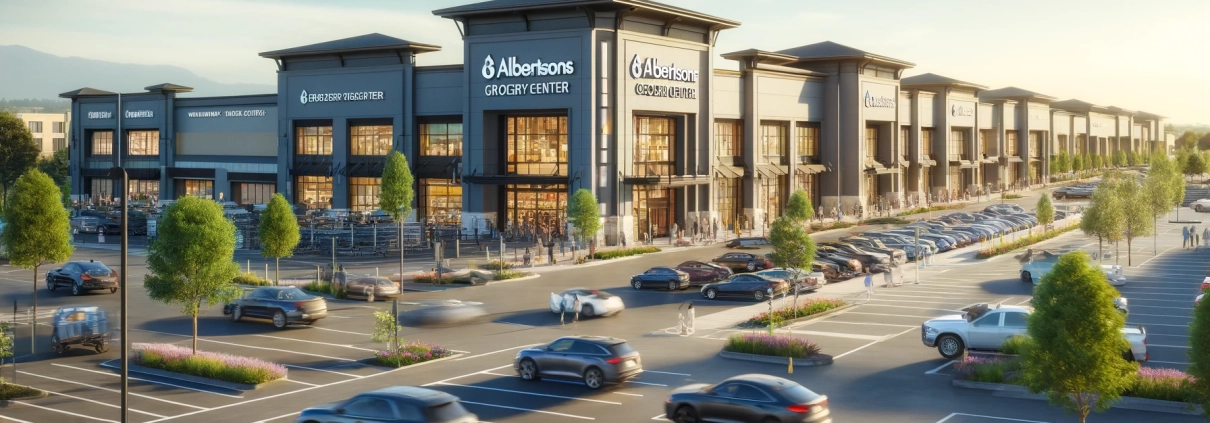
Gulfstream Capital Partners, a real estate private equity firm, recently acquired Cypress Grove Marketplace, a 75,000-square-foot grocery-anchored retail center in Tampa, Florida. The center is anchored by a regional grocery chain occupying 40,000 square feet, with an additional mix of 15 in-line tenants including a nail salon, a fitness studio, a pizzeria, and a local bank branch.

The property was acquired for $23 million, reflecting a 6.75% cap rate based on current net operating income (NOI). Gulfstream Capital sees this as a core-plus opportunity, with a strategy to stabilize occupancy and renegotiate lease terms to enhance cash flow over time.

Calculating Occupancy Costs for Tenants

One of the critical aspects Gulfstream Capital evaluated during due diligence was the occupancy cost ratio for the tenants. This ratio helps assess whether the tenants are paying a sustainable amount relative to their sales. Occupancy costs for tenants at Cypress Grove Marketplace include the following:

  • Base Rent: $20 per square foot for smaller tenants and $15 per square foot for the grocery anchor.
  • Tenant Reimbursements:
    • Common Area Maintenance (CAM): $5 per square foot
    • Property Taxes: $2.50 per square foot
    • Insurance: $0.50 per square foot
  • Percentage Rent (for applicable tenants): 6% of gross sales above a negotiated sales threshold.

For example, the fitness studio leases 3,000 square feet at a base rent of $20 per square foot. Here’s how their annual occupancy cost breaks down:

  • Base Rent:3,000 SF × $20 PSF = $60,000
  • Tenant Reimbursements:3,000 SF × ($5 + $2.50 + $0.50) PSF = $24,000
  • Percentage Rent: If the studio generates $500,000 in annual gross sales with a sales breakpoint of $400,000:6% × ($500,000 – $400,000) = $6,000
  • Total Annual Occupancy Cost:$60,000 + $24,000 + $6,000 = $90,000

Insights from Occupancy Costs

The fitness studio’s total occupancy cost is $90,000 per year. Dividing this by their gross sales:

Occupancy Cost Ratio = $90,000 ÷ $500,000 = 18%

This ratio aligns with typical benchmarks for fitness tenants (15-20%), indicating their lease terms are sustainable. For the grocery anchor, with its lower base rent and higher sales, the occupancy cost ratio is even more favorable, providing a stable anchor to attract foot traffic and benefit the smaller tenants.

Application of the Term

By understanding and analyzing occupancy costs, Gulfstream Capital ensures that lease terms are competitive and sustainable, which is crucial for tenant retention and long-term value creation for Cypress Grove Marketplace. Occupancy costs also serve as a metric to assess risk—tenants with disproportionately high occupancy cost ratios may struggle to meet their lease obligations.


Frequently Asked Questions about Occupancy Cost in Real Estate

What is Occupancy Cost in real estate?

Occupancy Cost is the total expense a tenant incurs to occupy space in a building. It includes base rent, reimbursements for operating expenses (e.g., CAM, insurance, property taxes), and sometimes percentage rent or other fees.

What components are typically included in a tenant’s Occupancy Cost?

Typical components include:

Base Rent

Common Area Maintenance (CAM) charges

Property Taxes

Insurance

Percentage Rent (based on tenant’s gross sales above a threshold)
These costs are stipulated in the lease agreement.

How do you calculate a tenant’s total Occupancy Cost?

To calculate total Occupancy Cost:

Multiply the leased area by the base rent per SF.

Add reimbursable expenses (CAM, taxes, insurance).

Add any percentage rent, if applicable.
Example: For a 3,000 SF tenant with $20 PSF base rent, $8 PSF in reimbursements, and $6,000 in percentage rent, total cost = $90,000 annually.

What is the Occupancy Cost Ratio and why is it important?

The Occupancy Cost Ratio = Total Occupancy Cost ÷ Gross Sales. It measures how much of a tenant’s sales go toward paying for the space. A healthy ratio indicates lease terms are sustainable. In the case of the fitness studio, the ratio was 18%, within the acceptable range for its business type.

How do occupancy costs affect underwriting and tenant retention?

High occupancy costs can strain tenants, increasing risk of default or non-renewal. During underwriting, landlords use occupancy cost ratios to gauge tenant health and assess the sustainability of rent levels. Stable, well-structured occupancy costs improve retention and property cash flow.

What does the Cypress Grove Marketplace example reveal about occupancy costs?

In the case study, Gulfstream Capital Partners analyzed a fitness tenant’s occupancy cost:

Base rent = $60,000

Reimbursements = $24,000

Percentage rent = $6,000
Total = $90,000
With $500,000 in sales, the 18% occupancy cost ratio confirmed the lease was financially viable, supporting tenant retention and stable cash flow.


Related Content:
  • Glossary: Occupancy Cost Percentage
  • Tenant Sales and Occupancy Cost in Retail Underwriting (UPDATED JUNE 2022)
  • All-in-One (Ai1) Model for Underwriting Development and Acquisitions (Updated May 2026)
  • Glossary: Tenant Health Ratio
  • Glossary: Common Area Maintenance (CAM)
https://mmiuniversity.adventuresincre.com/wp-content/uploads/2023/08/Occupancy-Cost.wav

Click here to get this CRE Glossary in an eBook (PDF) format.
by A.CRE
Share this entry
  • Share on X
  • Share on LinkedIn
  • Share by Mail
  • Link to Instagram
  • Link to Youtube
https://adventuresincre.com/wp-content/uploads/2022/04/logo-transparent-black-e1649023554691.png 0 0 A.CRE https://adventuresincre.com/wp-content/uploads/2022/04/logo-transparent-black-e1649023554691.png A.CRE2024-12-06 04:32:412025-07-04 22:23:56Occupancy Cost

Featured Content

  • RE Financial Modeling Accelerator
  • A.CRE Job Search
  • Library of Real Estate Excel Models
  • Real Estate Financial Modeling
  • Real Estate Education
  • Real Estate Careers
  • AI in Real Estate

Recent Posts

  • A.CRE Real Estate Financial Models Download Guide (Updated Jun 2026)
  • Episodio 3 de Multiplicadores: La Brecha de la IA Ya Está Aquí
  • Nuevo Contenido en Español (Actualizado Junio 2026)
  • An AI Skill for the A.CRE Short-Term Rental Acquisition Model
  • Short-Term Rental Acquisition Model (Updated June 2026)
Accelerator - Learn More

Search Adventures in CRE

Search Search

Have a Question or Need Help?

Visit our Help Section

Contact Adventures in CRE

  • Visit A.CRE Help
  • Via Email
  • Via LinkedIn

You Might Also Like

  • Real Estate Modeling Courses
  • Real Estate Financial Modeling
  • A.CRE Job Board
  • Careers in Commercial Real Estate
  • Real Estate Education

A.CRE Library of Excel Models

  • Browse Excel Models
  • Login/Register
  • View My Downloads
  • Edit Account Details

Terms, Policies, and Disclaimer

  • Privacy Policy
  • Cookie Policy
  • AI Usage Policy
  • Terms of Use
  • Disclaimer
© 2014 - Present - Copyright - www.AdventuresinCRE.com, LLC | Adventures in CRE | A.CRE
  • Link to Facebook
  • Link to Youtube
  • Link to LinkedIn
  • Link to X
  • Link to Tiktok
  • Link to Instagram
Link to: Metropolitan Statistical Area Link to: Metropolitan Statistical Area Metropolitan Statistical Area Link to: Pari Passu Link to: Pari Passu Pari Passu
Scroll to top Scroll to top Scroll to top