

Prompt Engineering
The practice of crafting and refining the instructions given to an AI model in order to improve the quality, accuracy, and relevance of its outputs. Effective prompt engineering in commercial real estate involves specifying the task clearly, providing relevant context such as property type, market, and deal structure, and guiding the format of the model’s output. Prompt engineering is considered a foundational skill for CRE professionals using AI tools for tasks such as lease abstraction, market commentary, and underwriting assistance.
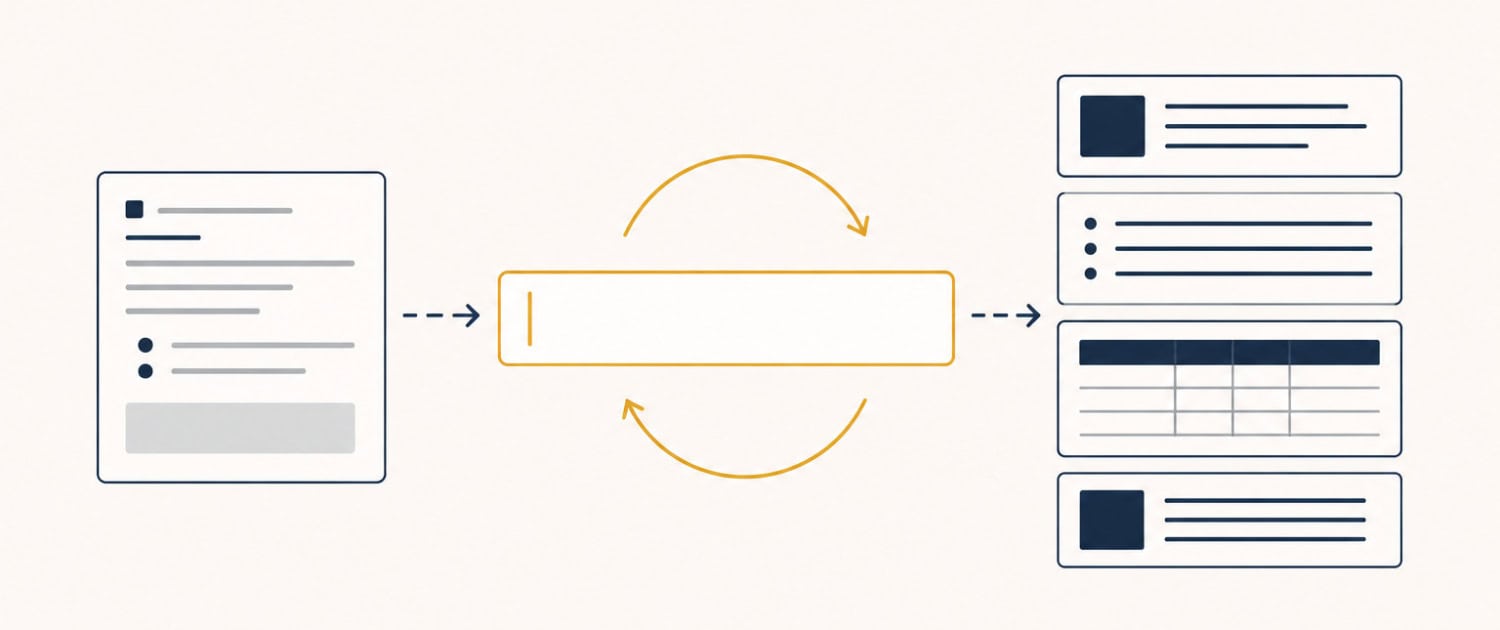
Putting Prompt Engineering in Context
An asset manager preparing a quarterly investor update asks an AI model to draft market commentary for a suburban office portfolio. A vague prompt returns generic text, but a well-engineered prompt that specifies the submarket, current occupancy trends, lease expiration schedule, and desired tone produces a draft close enough to publish with light editing. The difference between the two outputs comes entirely from how the instruction was written.
Frequently Asked Questions about Prompt Engineering
What makes a prompt well-engineered for a CRE task?
A well-engineered CRE prompt typically includes four elements: a clear task instruction, relevant context about the asset or deal, constraints on format or length, and any assumptions the model should apply. For example, a lease abstraction prompt that specifies the lease type, the fields to extract, and the output format will consistently outperform a prompt that simply says “summarize this lease.” Adding deal-specific context, such as asset class or market, further reduces the chance of generic or inaccurate output.
How is prompt engineering different from simply asking a question?
Asking a question is a starting point, but prompt engineering is a deliberate design process. It involves anticipating how the model will interpret an instruction, identifying where ambiguity could lead to unhelpful output, and structuring the input to guide the model toward the specific result needed. In CRE workflows, this often means writing prompts that include role framing, such as instructing the model to respond as a senior analyst, alongside the specific task and required output format.
Can the same prompt be reused across different CRE deals or asset types?
Reusable prompts, sometimes called prompt templates, are one of the most practical applications of prompt engineering in a CRE firm. A well-structured template includes fixed instructions alongside variable placeholders for deal-specific inputs such as property type, market, NOI, and hold period. Teams that build and maintain a library of tested prompt templates for recurring tasks like offering memorandum drafts, lease comparisons, or variance commentary significantly reduce the time spent reformulating instructions from scratch on each deal.
What are the most common prompt engineering mistakes CRE professionals make?
The most common mistakes are under-specifying the task, omitting context about the asset or market, and failing to define the desired output format. A prompt that asks an AI to “analyze this deal” without specifying what kind of analysis, what metrics matter, or what format the output should take will return a response that is technically correct but practically unusable. Another common error is assuming the model retains context from a previous conversation when it does not, which leads to incomplete or inconsistent outputs across a multi-step workflow.
Does prompt engineering skill matter less as AI models improve?
More capable models tolerate vague prompts better than earlier generations, but prompt engineering remains valuable because it determines how reliably a model performs on specialized CRE tasks at scale. The difference between a passable output and a production-ready one still comes down to instruction quality, particularly when the task involves proprietary data, firm-specific formats, or nuanced financial judgment. As AI is embedded deeper into CRE workflows, the ability to write precise, reusable prompts becomes a competitive operational skill rather than a workaround for model limitations.
Click here to get this CRE Glossary in an eBook (PDF) format.