

Vertical Expansion Option
A real option which allows the owner of a development project to build and complete the project to a certain height with an option to increase the height of the building at some future point. The cost of a project when building with this option is estimated to add a 5-10% premium on standard construction costs due to implementing building systems and components that may be excessive for the current building size. However, this expense may be offset by the risk reduction benefits associated with the increased development timing flexibility and potential cost savings in the future phase of development for having built a majority of the building in a previous period.
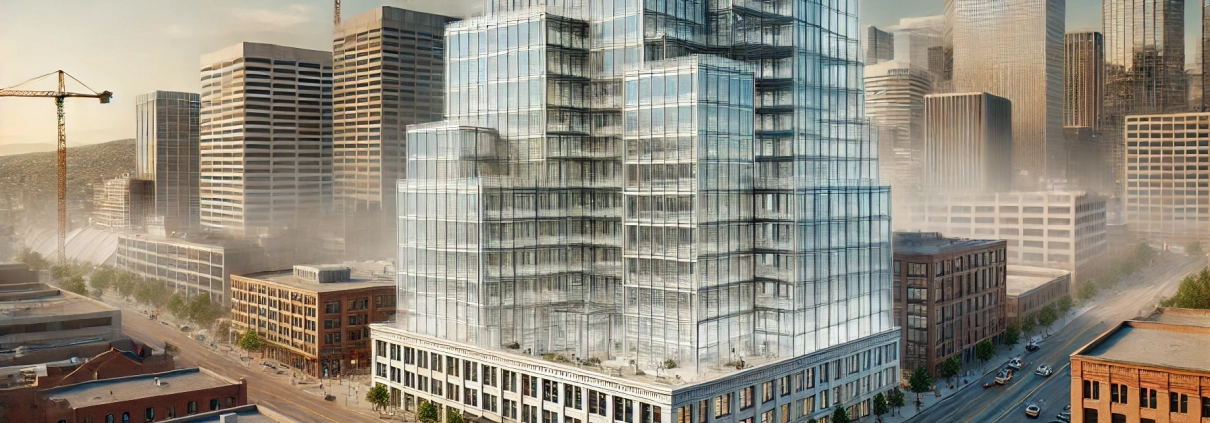
Putting ‘Vertical Expansion Option’ in Context
Scenario Overview
Summit Urban Developments, a real estate developer based in Denver, Colorado, is undertaking the redevelopment of an aging 10-story office building in the heart of the city’s core business district. The project, named The Vista Tower, aims to modernize the building with Class A office space, enhanced tenant amenities, and a more sustainable design.
As part of their redevelopment strategy, Summit Urban Developments decides to incorporate a vertical expansion option into the design and construction plans. The company sees this option as a way to future-proof the property, enabling it to add an additional 5 stories if future market demand supports the need for more office space.
Why Use a Vertical Expansion Option?
The decision to use a vertical expansion option comes from Summit Urban Developments’ analysis of the Denver office market. Demand for high-quality office space in the central business district has been cyclical, and future growth is anticipated but not guaranteed. By including the vertical expansion option, Summit retains the flexibility to react to market demand without incurring the full cost of the additional floors during the initial redevelopment phase.
Design and Construction Approach
To implement the vertical expansion option, Summit Urban Developments works with its architects, engineers, and construction team to ensure the building’s foundation, structural columns, and utility systems can support an additional 5 floors. This requires higher load-bearing capacities for key structural elements, as well as utility systems (like elevators, HVAC, and water pressure systems) that are capable of supporting the future expansion.
The cost of these enhanced systems increases construction expenses by approximately 8% compared to a traditional 10-story redevelopment. This premium accounts for the added strength of materials, utility system capacity, and reengineering costs.
Example of Cost Premium
– Initial redevelopment cost (without vertical expansion option): $40 million
– Additional 8% premium for vertical expansion option: 8% x $40M = $3.2 million
– Total initial redevelopment cost with vertical expansion option: $40M + $3.2M = $43.2 million
While this represents a significant upfront cost, Summit Urban Developments calculates that building an additional 5 stories at a later date, without pre-engineering the building for expansion, would cost an additional 20-30% on top of standard construction costs. Therefore, the 8% premium is seen as a worthwhile trade-off to maintain flexibility.
Triggering the Vertical Expansion Option
Three years after the initial redevelopment is completed, office demand in Denver’s core business district surges due to new corporate relocations into the city. Several prospective tenants express interest in leasing larger floor plates, and Summit Urban Developments decides to trigger its vertical expansion option.
Since the building’s structural systems were pre-engineered for this purpose, the process to add the 5 additional floors is faster, cheaper, and less disruptive than if the building had to be retrofitted. The construction team mobilizes, and the expansion is completed within 12 months, significantly faster than the original 24-month timeline required for the original 10-story redevelopment.
Summary of Key Takeaways
– The vertical expansion option allowed Summit Urban Developments to future-proof The Vista Tower, giving them the flexibility to add 5 additional floors when market demand warranted it.
– The upfront cost premium for the vertical expansion option was 8%, or $3.2 million on a $40 million redevelopment project.
– This upfront investment saved Summit from having to pay significantly higher costs (20-30% more) to add floors after the building was completed.
– The ability to add 5 stories in response to tenant demand enabled Summit to capture additional rent revenue that would have otherwise been missed.
This hypothetical example highlights how the vertical expansion option can be a valuable strategic tool for developers looking to maintain flexibility in uncertain market conditions.
Frequently Asked Questions about the Vertical Expansion Option in Commercial Real Estate
What is a Vertical Expansion Option in real estate development?
A vertical expansion option is a real option that allows the owner to build a project to a certain height with the ability to add additional stories later, offering flexibility based on future market conditions.
Why would a developer use a vertical expansion option?
This option reduces risk and adds flexibility. It lets developers delay building additional floors until demand justifies it, as seen with Summit Urban Developments and The Vista Tower in Denver.
How much does it cost to include a vertical expansion option?
The premium typically adds 5–10% to standard construction costs. In the case of The Vista Tower, it added 8%, or $3.2 million on a $40 million project.
What systems must be upgraded to support vertical expansion?
Key systems include the foundation, structural columns, and utilities such as elevators, HVAC, and water systems, all of which must be engineered for future load capacity.
How does vertical expansion reduce future development costs?
Pre-engineering the building for expansion saves costs, avoiding a 20–30% premium later if floors are added without earlier structural planning.
When did Summit Urban Developments decide to use the option?
Three years after the initial redevelopment, demand surged, prompting the developer to trigger the vertical expansion option and add 5 additional floors.
How long did the vertical expansion take once triggered?
The expansion was completed in 12 months, which was significantly faster than the original 24-month redevelopment timeline due to earlier pre-engineering.
What was the financial advantage of including the vertical expansion option?
By paying an 8% premium upfront, Summit Urban Developments avoided a 20–30% cost increase later and captured additional rental revenue from the added space.
Where can I download more CRE glossary terms?
Click the link that says “Click here to get this CRE Glossary in an eBook (PDF) format.”
Click here to get this CRE Glossary in an eBook (PDF) format.