

• Link to Facebook
  • Link to Youtube
  • Link to LinkedIn
  • Link to X
  • Link to Tiktok
  • Link to Instagram
  • EN ESPAÑOL
    • Inicio
    • Glosario de Términos
    • Modelos Financieros
    • Tutoriales Cortos
  • A.CRE HELP
    • Support Section
    • Contact Us
  • LOGIN/REGISTER
  • Shopping Cart Shopping Cart
    0Shopping Cart
Adventures in CRE
  • A.CRE
    • A.CRE Home
    • A.CRE Help
    • Accelerator
      • Learn More
      • Login
    • AI.Edge
      • Learn More
      • Login
    • Artificial Intelligence
    • Careers
    • CRE Event Calendar
    • CRE Job Board
    • Education
    • Library of Excel Models
    • Meet the A.CRE Team
  • RE Modeling
    • 1031 Exchange
    • Audio Series
    • All-in-One (Ai1) Model
      • Download
      • Guides and Tutorials
      • Support
    • Ask Me Anything (Live)
    • Beginner’s Guide to Excel
    • Excel Models
      • Excel Add-ins
      • Library of Excel Models
      • All-in-One (Ai1) Model
      • Apartment
      • Condo
      • Debt
      • Development
      • Equity Waterfall
      • Hotel
      • Industrial
      • Office
      • Portfolio
      • Retail
      • Single Family
      • Tutorial
    • Excel Tips
    • Practice Library of Case Studies
    • Stochastic Modeling
    • Argus
    • My Downloads / My Account
  • Careers
    • About Careers in Real Estate
    • Ask Me Anything (Live)
    • Audio Series
    • Compensation in Real Estate
    • CRE Job Board
      • Find a Job
        • Browse Jobs
        • Post a Resume
        • Register
        • Login
      • Post a Job
    • CRE Event Calendar
    • CRE Interviews
    • Day in the Life Series
    • Real Estate Legal Content
    • What CRE Pros Do
  • Education
    • Accelerator
    • AI.Edge
    • A.CRE 101
    • Ask Me Anything (Live)
    • A.CRE Audio Series
    • Audio Series
    • Book Reviews
    • CRE Event Calendar
    • Deep Dive Series
    • Glossary of CRE Terms
    • Real Estate Legal Content
    • Real Estate Clubs
    • University Profiles
    • Watch Me Build
  • AI
    • AI Skills
    • AI Use Cases in CRE
    • AI for CRE Training
    • AI Tools for CRE
    • AI.Edge Membership
      • Learn More
      • Login
  • Accelerator
    • Accelerator Reviews
    • Accelerator Story
    • Enroll Now
    • Learn More
    • See What’s New
    • Enterprise Members Only
      • General Enterprise Login
      • ICSC Login
      • M&M Login
    • Members Only
      • Extend/Renew Membership
      • Login
      • Manage Membership
  • My Downloads
    • View My Downloads
    • Find an Excel Model
    • Register
    • Login
  • Click to open the search input field Click to open the search input field Search
  • Menu Menu
You are here: Home1 / Glossary of Commercial Real Estate Terms2 / Holdback
A.CRE
English

Holdback

A holdback is a portion of commercial loan proceeds that are retained by the lender until certain objectives have been met. These objectives may include conditions like a certain percentage of development has been completed or a certain NOI is achieved at the property. Holdback proceeds are generally held in an escrow account.
Putting ‘Holdback’ in Context

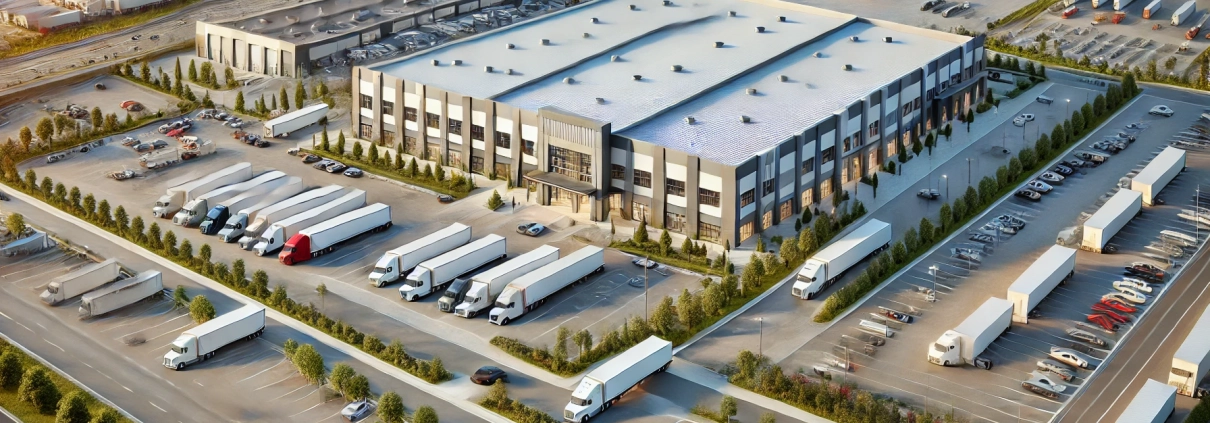
Ironbridge Equity Partners, a real estate private equity firm specializing in value-add industrial properties, recently acquired Windy City Logistics Center, a 250,000-square-foot warehouse and distribution facility located in the outskirts of Chicago, IL. The property was purchased for $12 million, with plans to invest an additional $2.5 million in capital improvements, including roof repairs, HVAC upgrades, and parking lot resurfacing, to reposition the asset as a modern Class B+ facility.

To finance the acquisition and redevelopment, Ironbridge secured a $10 million bridge loan from a regional lender. The loan included a $1.5 million holdback provision, meaning those funds would only be released as the redevelopment reached key milestones.

Holdback Triggers and Escrow

The lender required the holdback to be placed in an escrow account until two specific conditions were met:

  • Completion of at least 75% of the planned capital improvements.
  • A stabilization milestone of achieving a net operating income (NOI) of $1.2 million, representing an 85% occupancy rate at market rents.

Progress and Accessing the Holdback

Ironbridge’s construction team completed 75% of the planned renovations within six months, satisfying the first condition. Upon submission of detailed progress reports and third-party verification, the lender released $750,000 from the escrow account to reimburse Ironbridge for construction expenses.

The remaining $750,000 holdback was tied to the property’s lease-up performance. Over the following eight months, Ironbridge successfully signed leases with three tenants, bringing the occupancy rate to 90% and achieving an NOI of $1.25 million. This performance exceeded the lender’s stabilization requirement, triggering the release of the final $750,000.

Financial Impact

By leveraging the holdback structure, the lender mitigated its risk exposure, ensuring Ironbridge executed the value-add business plan as intended. For Ironbridge, the structured release of funds allowed them to manage cash flow effectively during the property’s transformation while accessing the full loan proceeds as milestones were met.

Key Takeaway

This hypothetical case illustrates how a holdback operates in the context of a value-add acquisition. By tying disbursement of funds to clear, measurable objectives, both the borrower and lender align incentives, ensuring the successful execution of the investment strategy.


Frequently Asked Questions about Holdbacks in Commercial Real Estate Finance

What is a holdback in commercial real estate?

A holdback is a portion of loan proceeds that are retained by the lender until the borrower meets specific objectives such as construction milestones or financial performance. These funds are typically held in an escrow account.

What was the holdback amount in the Windy City Logistics Center deal?

Ironbridge Equity Partners secured a $10 million bridge loan that included a $1.5 million holdback provision.

What conditions had to be met for the holdback to be released?

Two conditions were required:

Completion of at least 75% of the capital improvements

Achieving an NOI of $1.2 million with 85% occupancy
Each condition released $750,000 from the escrow.

How was progress verified for the holdback release?

Ironbridge submitted detailed progress reports and third-party verification, which the lender used to confirm 75% completion of renovations before releasing funds.

Did Ironbridge meet the stabilization requirement?

Yes. Ironbridge achieved 90% occupancy and $1.25 million in NOI, exceeding the lender’s requirement of 85% occupancy and $1.2 million in NOI. This triggered the release of the final $750,000.

Why do lenders include holdback provisions?

Holdbacks help mitigate lender risk by tying loan disbursements to objective milestones, ensuring the borrower follows through on the business plan before accessing full funds.

How did the holdback structure benefit Ironbridge?

It helped Ironbridge manage cash flow effectively while completing renovations and stabilized the property. The structure ensured access to full loan proceeds once milestones were reached.

What type of project was Windy City Logistics Center?

It was a value-add industrial redevelopment of a 250,000-square-foot warehouse near Chicago, involving $2.5 million in capital improvements to reposition the property.

What is the key takeaway from the holdback example?

The example shows how a holdback aligns lender and borrower incentives by linking disbursements to performance. It ensures accountability and supports execution of the value-add strategy.


Related Content:
  • Glossary: Purchase and Sale Agreement
  • Tenant Estoppel Letter for Commercial Real Estate Purchase
  • Letter of Intent for Commercial Industrial Purchase
  • Letter of Intent for Multifamily Real Estate
  • Glossary: Earn-Out
https://mmiuniversity.adventuresincre.com/wp-content/uploads/2023/07/Holdback.wav

Click here to get this CRE Glossary in an eBook (PDF) format.
by A.CRE
Share this entry
  • Share on X
  • Share on LinkedIn
  • Share by Mail
  • Link to Instagram
  • Link to Youtube
https://adventuresincre.com/wp-content/uploads/2022/04/logo-transparent-black-e1649023554691.png 0 0 A.CRE https://adventuresincre.com/wp-content/uploads/2022/04/logo-transparent-black-e1649023554691.png A.CRE2024-11-27 05:16:552025-07-03 04:58:49Holdback

Featured Content

  • RE Financial Modeling Accelerator
  • A.CRE Job Search
  • Library of Real Estate Excel Models
  • Real Estate Financial Modeling
  • Real Estate Education
  • Real Estate Careers
  • AI in Real Estate

Recent Posts

  • AI Tools for Commercial Real Estate (Summer 2026 Edition)
  • The 2008 Financial Crisis, From the Ground Up: Why We Believed Houses Were Safe
  • Real Estate Equity Waterfall Model – IRR and Equity Multiple Hurdles (Updated June 2026)
  • A.CRE Self Storage Development Model (Updated June 2026)
  • Episode 12 of Multipliers: Ask Why Until the Answer Changes
Accelerator - Learn More

Search Adventures in CRE

Search Search

Have a Question or Need Help?

Visit our Help Section

Contact Adventures in CRE

  • Visit A.CRE Help
  • Via Email
  • Via LinkedIn

You Might Also Like

  • Real Estate Modeling Courses
  • Real Estate Financial Modeling
  • A.CRE Job Board
  • Careers in Commercial Real Estate
  • Real Estate Education

A.CRE Library of Excel Models

  • Browse Excel Models
  • Login/Register
  • View My Downloads
  • Edit Account Details

Terms, Policies, and Disclaimer

  • Privacy Policy
  • Cookie Policy
  • AI Usage Policy
  • Terms of Use
  • Disclaimer
© 2014 - Present - Copyright - www.AdventuresinCRE.com, LLC | Adventures in CRE | A.CRE
  • Link to Facebook
  • Link to Youtube
  • Link to LinkedIn
  • Link to X
  • Link to Tiktok
  • Link to Instagram
Link to: Loan Amortization Link to: Loan Amortization Loan Amortization Link to: Load Factor Link to: Load Factor Load Factor
Scroll to top Scroll to top Scroll to top